


FBPase-1
Carbohydrate Metabolism
FBPase-1 catalyzes the conversion of fructose-1,6-bisphosphate to fructose-6-phosphate in gluconeogenesis.
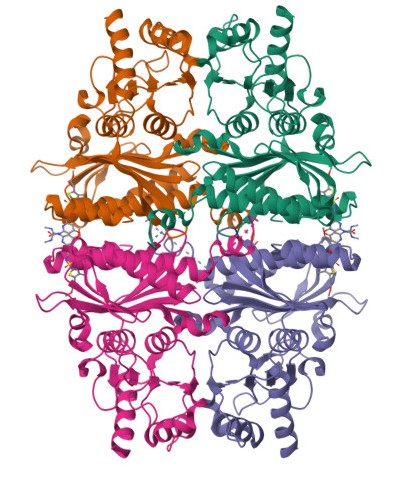
This enzyme plays a pivotal role in maintaining blood glucose levels, particularly during fasting, by facilitating the production of glucose in the liver and kidneys. The reaction catalyzed by FBPase-1 is a reverse of the phosphofructokinase-1 (PFK-1)-catalyzed step in glycolysis, but is not simply a reversal; it serves as a key regulatory point in metabolic control.
FBPase-1 is found primarily in the liver and kidney, where gluconeogenesis occurs, but it is also present in small amounts in other tissues. The enzyme operates in the cytoplasm, where it interacts with fructose-1,6-bisphosphate, which is generated from glycerol, lactate, or amino acids through various precursors. Once fructose-6-phosphate is produced by FBPase-1, it enters glycolysis or isomerizes to glucose-6-phosphate, the final intermediate in gluconeogenesis, which can then be dephosphorylated to free glucose for release into the bloodstream.
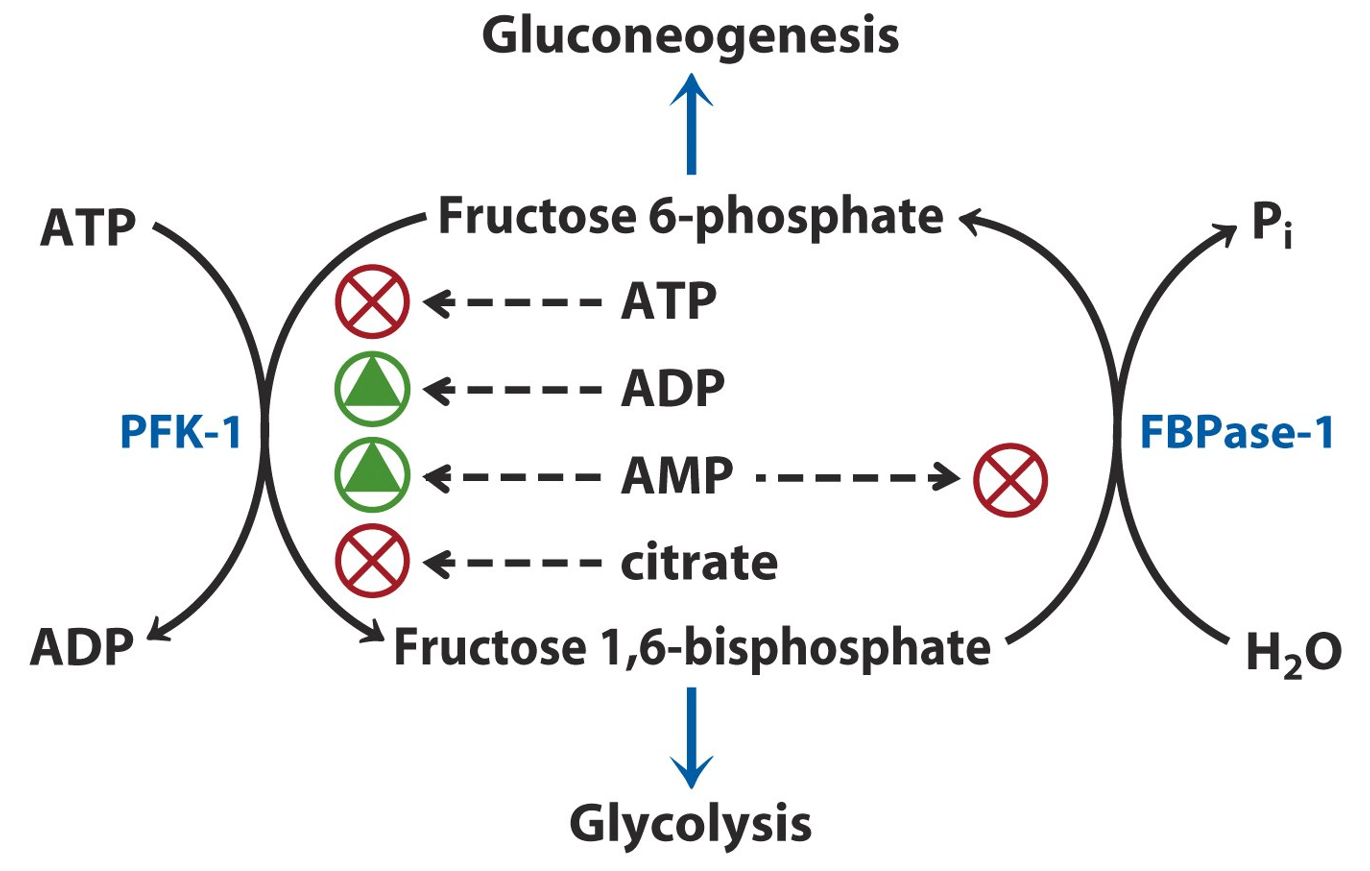
FBPase-1 is tightly regulated to ensure that gluconeogenesis occurs under appropriate conditions. It is inhibited by AMP, which signals low energy availability and promotes the shift toward glycolysis rather than gluconeogenesis. This is a key aspect of energy regulation, ensuring that glucose production does not occur when energy is needed for immediate use. Similarly, fructose-2,6-bisphosphate, an important regulator of glycolysis, strongly inhibits FBPase-1. Fructose-2,6-bisphosphate is produced in response to insulin and helps suppress gluconeogenesis when blood glucose levels are high.
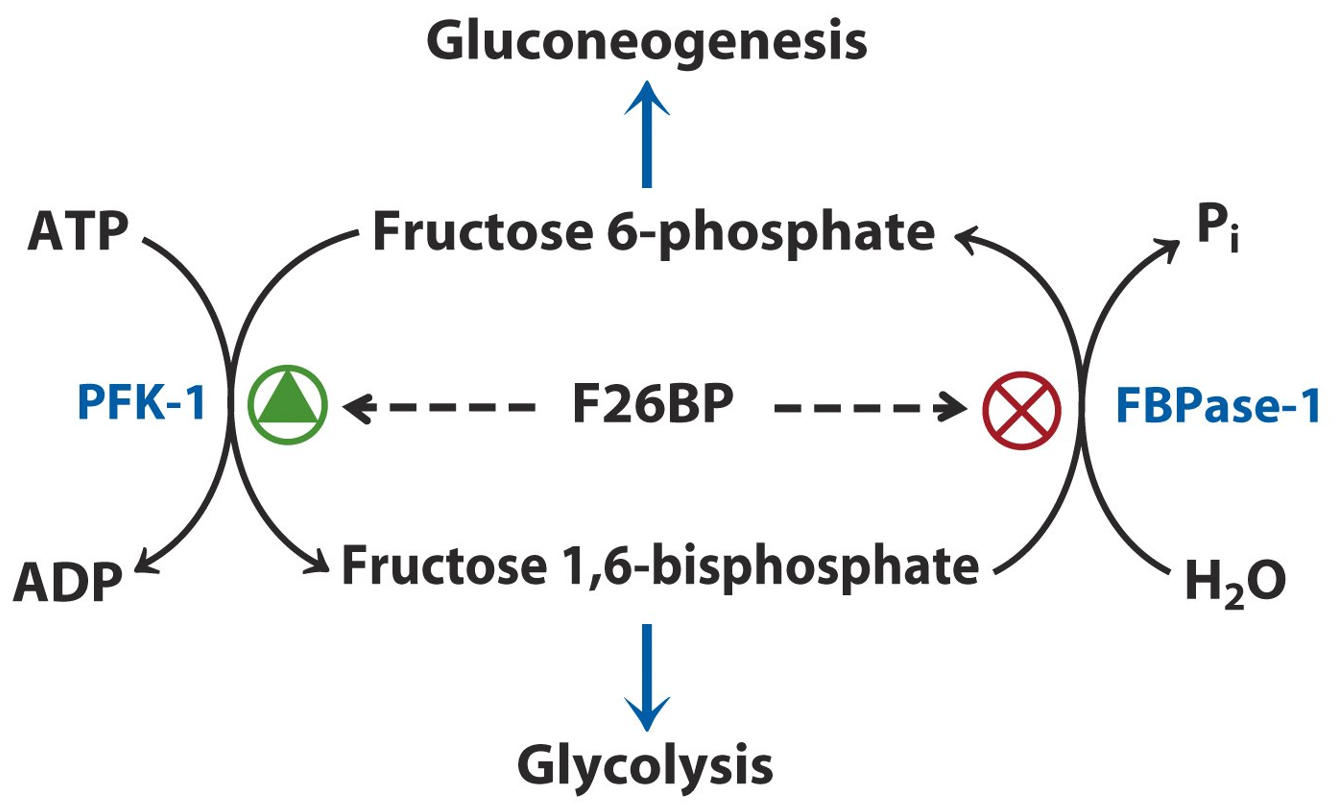
On the other hand, glucagon and cortisol promote gluconeogenesis and activate FBPase-1. Glucagon increases the levels of cAMP, which activates protein kinase A (PKA). PKA then phosphorylates and inactivates phosphofructokinase-2 (PFK-2), which reduces the levels of fructose-2,6-bisphosphate, relieving the inhibition of FBPase-1 and promoting gluconeogenesis.
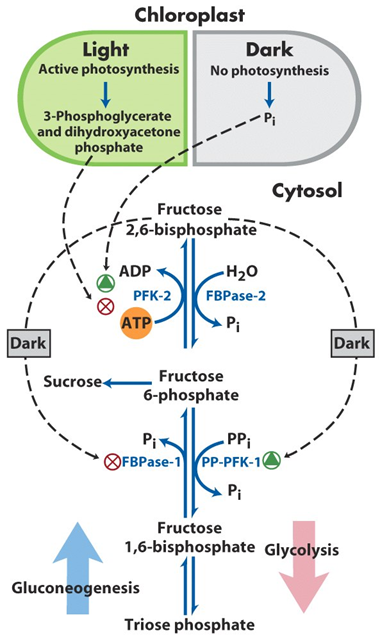
Thus, FBPase-1 functions in a coordinated manner with enzymes in glycolysis and other metabolic pathways to ensure proper glucose production during periods of fasting or low carbohydrate availability, balancing the need for energy storage and immediate energy use.