


alpha-Ketoglutarate
Carbonhydrate Metabolites
Alpha-ketoglutarate is a key intermediate in the citric acid cycle, involved in energy production and amino acid metabolism.
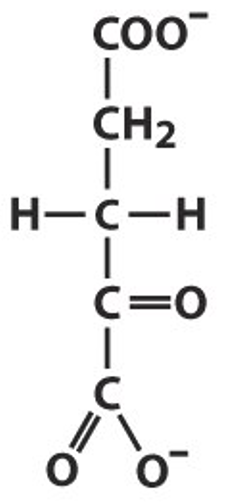
It is formed from isocitrate through the action of isocitrate dehydrogenase, releasing NADH and CO₂ in the process. As a key metabolite in the citric acid cycle, α-KG is essential for the generation of ATP, the primary energy currency of cells, through oxidative phosphorylation.
In addition to its role in energy metabolism, α-KG is involved in amino acid metabolism. It serves as a precursor for the synthesis of several amino acids, including glutamate, through transamination reactions. The conversion of α-KG to glutamate, in particular, is central to nitrogen metabolism and helps maintain amino acid balance in the body. α-KG also plays a critical role in the glutamine-glutamate cycle, which is crucial for the proper functioning of the brain, kidneys, and liver, particularly in maintaining neurotransmitter balance and nitrogen metabolism.
Moreover, α-KG acts as a key regulator in various biochemical pathways. It is involved in anaplerosis, the process of replenishing citric acid cycle intermediates, which is vital when these intermediates are used for biosynthesis. α-KG also regulates key enzymes in the citric acid cycle and is linked to the regulation of cellular growth and metabolism. Under conditions of metabolic stress, such as in cancer cells or during fasting, α-KG levels influence cellular processes like apoptosis and autophagy.
Additionally, α-KG is important for redox balance and cellular signaling. It participates in the generation of reactive oxygen species (ROS) and acts as a signaling molecule in the regulation of various pathways, including those involved in cellular stress responses. It also influences the hypoxia-inducible factor (HIF) pathway, which is crucial for the cellular response to low oxygen conditions.
Through its involvement in energy production, amino acid metabolism, and regulation of key cellular processes, α-KG is an essential metabolite in maintaining cellular homeostasis, metabolic flexibility, and overall health. Its role in both energy and biosynthesis pathways underscores its importance in a wide range of physiological functions.