


Ribose-5-Phosphate
Carbonhydrate Metabolites
Ribose-5-phosphate is a sugar phosphate involved in nucleotide synthesis and the pentose phosphate pathway.
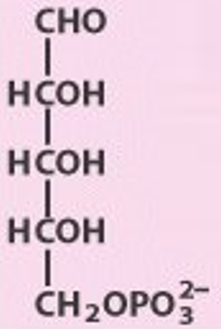
It is derived from ribulose-5-phosphate through the action of ribose-5-phosphate isomerase and serves as a precursor for the synthesis of nucleotides, essential for DNA, RNA, and other nucleic acid derivatives. As the backbone of nucleotides, ribose-5-phosphate is vital for cellular growth, division, and repair processes.
One of its key functions is within the pentose phosphate pathway, an alternative to glycolysis that serves both anabolic and catabolic functions. In this pathway, glucose-6-phosphate is metabolized to produce ribose-5-phosphate, along with the generation of reducing equivalents in the form of NADPH. NADPH is used for biosynthetic reactions, including the synthesis of fatty acids, cholesterol, and nucleotides, and is critical for maintaining the cellular antioxidant defense system by reducing oxidative stress. The PPP also produces erythrose-4-phosphate, which is involved in the synthesis of aromatic amino acids.
Ribose-5-phosphate is indispensable for nucleotide metabolism, as it is incorporated into purine and pyrimidine nucleotides, essential for DNA and RNA synthesis. These nucleotides are vital for cell replication, gene expression, and protein synthesis. In rapidly dividing cells, such as those in the immune system or cancer cells, the demand for ribose-5-phosphate is elevated due to the high need for nucleotides.
Additionally, ribose-5-phosphate is involved in the regeneration of other metabolic intermediates. Through the interconversion of other metabolites in the pentose phosphate pathway, it helps maintain metabolic flexibility and supports cellular functions such as redox balance, fatty acid biosynthesis, and the production of aromatic amino acids. Its role in cellular metabolism extends to the synthesis of coenzymes like NADH and FADH2, which are crucial for energy production in the mitochondria.
In summary, ribose-5-phosphate is a vital molecule in cellular metabolism, playing a significant role in nucleotide synthesis, the pentose phosphate pathway, and maintaining cellular homeostasis. Its functions are essential for the proper growth, function, and repair of cells, making it indispensable for both normal cellular activities and responses to stress.