


Phosphoenolpyruvate
Carbonhydrate Metabolites
Phosphoenolpyruvate (PEP) is a high-energy intermediate in glycolysis and gluconeogenesis, crucial for ATP production.
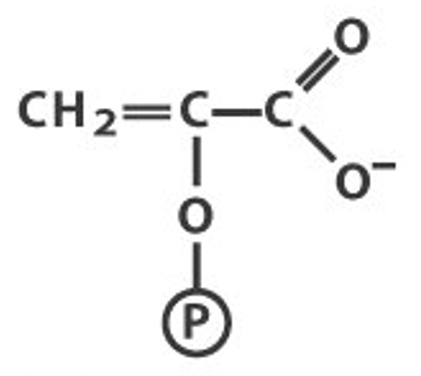
It is formed from 2-phosphoglycerate by the enzyme enolase during glycolysis. PEP is one of the most energy-rich molecules in the cell, containing a high-energy phosphate bond that can be used to generate ATP during its conversion to pyruvate in the final step of glycolysis. This reaction is catalyzed by the enzyme pyruvate kinase, which produces ATP and pyruvate, which can then enter the citric acid cycle for further energy production.
PEP also plays a vital role in gluconeogenesis, the process by which glucose is synthesized from non-carbohydrate precursors. In gluconeogenesis, PEP is produced from pyruvate through a series of reactions catalyzed by pyruvate carboxylase and PEP carboxykinase (PEPCK). This process essentially reverses glycolysis, enabling the body to generate glucose from lactate, glycerol, or amino acids, which is particularly important during fasting or prolonged exercise to maintain blood glucose levels.
PEP acts as an allosteric regulator in various metabolic processes. In glycolysis, high PEP levels inhibit hexokinase and phosphofructokinase-1 (PFK-1), key enzymes of the pathway, to prevent excessive glucose breakdown when energy is abundant. In contrast, PEP’s involvement in gluconeogenesis is crucial for maintaining glucose production when cellular energy demands are high, ensuring energy homeostasis is maintained during periods of low glucose availability.
In addition to its roles in glycolysis and gluconeogenesis, PEP is also involved in carbon and energy transfer in various metabolic processes, making it a central intermediate in cellular metabolism. Through its participation in these critical pathways, PEP helps regulate the balance between energy production and glucose synthesis, ensuring that cells and tissues have a steady supply of energy under varying conditions.