


Oxaloacetate
Carbonhydrate Metabolites
Oxaloacetate is a key intermediate in the citric acid cycle (Krebs cycle), a central metabolic pathway that plays a critical role in cellular energy production.
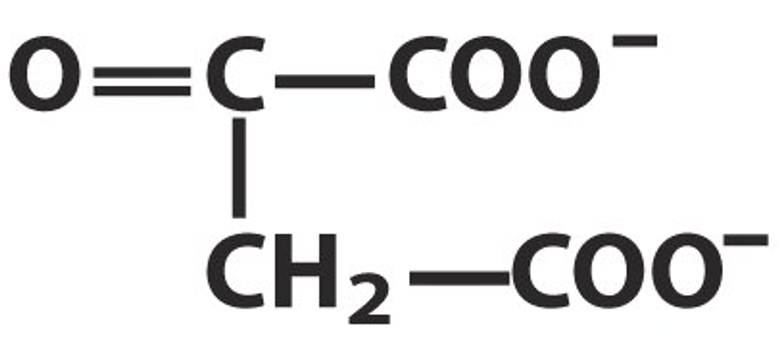
It is formed from the oxidation of malate and combines with acetyl-CoA to form citrate, the first compound in the cycle. Through a series of reactions, oxaloacetate is regenerated, ensuring the continuous operation of the citric acid cycle, which produces ATP, NADH, and FADH2—key molecules that provide energy for cellular activities.
Oxaloacetate is also involved in gluconeogenesis, the process by which glucose is synthesized from non-carbohydrate precursors, such as lactate and amino acids, especially during fasting or low-carbohydrate conditions. In this process, oxaloacetate is converted into phosphoenolpyruvate, an important step in glucose formation.
Additionally, oxaloacetate plays a role in amino acid synthesis. It can be transaminated to form aspartate, an amino acid that is essential for protein synthesis and nitrogen metabolism. Through these interconnected pathways, oxaloacetate serves as a hub for cellular metabolism, linking energy production with glucose and amino acid metabolism.