


IMP
Nucleotide Intermediates
IMP (Inosine monophosphate) is a purine nucleotide involved in nucleotide synthesis and energy metabolism.
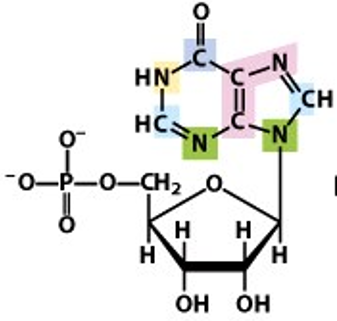
It is produced from hypoxanthine through the action of inosine monophosphate dehydrogenase (IMPDH) in the purine salvage pathway, where it serves as a precursor to both adenine and guanine nucleotides. IMP is a central intermediate in the purine nucleotide cycle, which is essential for the synthesis of RNA, DNA, and other nucleic acids required for cell growth and replication.
IMP is formed during the degradation of adenosine monophosphate (AMP) and is crucial for maintaining the balance of purine nucleotides within the cell. In addition to its role in nucleotide metabolism, IMP plays a pivotal role in energy metabolism. It is involved in the adenylate energy charge pathway, where it is converted to AMP, a key regulator of cellular energy status.
IMP is also involved in feedback regulation within purine biosynthesis. As levels of IMP rise, they help regulate the activity of enzymes in the purine biosynthetic pathway, such as glutamine-PRPP amidotransferase, by inhibiting them and ensuring that excessive nucleotide synthesis does not occur when purine pools are sufficient.
Furthermore, IMP plays a role in signal transduction through its conversion to adenosine, which is a critical signaling molecule in various physiological processes. IMP’s breakdown can generate adenosine, which acts on purinergic receptors to regulate processes like vasodilation, immune responses, and neurotransmission.
In summary, IMP is an essential purine nucleotide intermediate that participates in nucleotide synthesis, energy metabolism, and cellular regulation. Its role in maintaining the balance of purine nucleotides and energy status makes it integral to the proper functioning of cellular processes, including DNA replication, RNA synthesis, and cellular signaling.