


Glycerol
Lipid Metabolites
Glycerol is a three-carbon molecule involved in lipid metabolism and serves as a precursor for glucose synthesis.
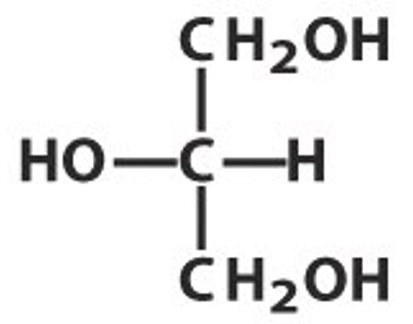
It is a key component of triglycerides, which are the main form of stored fat in the body. Glycerol is released during the breakdown of triglycerides by lipolysis, a process in which fatty acids and glycerol are liberated from adipose tissue. Once released, glycerol can enter metabolic pathways and contribute to energy production.
Glycerol primarily enters gluconeogenesis, where it is converted into glucose. This process takes place in the liver, where glycerol is phosphorylated to form glycerol-3-phosphate, which is then converted into dihydroxyacetone phosphate (DHAP), an intermediate in the glycolytic pathway. DHAP can be further converted into glucose, providing an important source of energy, particularly during periods of fasting or low carbohydrate availability. This gluconeogenic pathway highlights glycerol’s crucial role in maintaining blood glucose levels and supporting energy production during metabolic stress.
In addition to its role in gluconeogenesis, glycerol also participates in lipid synthesis. It is a precursor for the formation of phospholipids and triglycerides, essential components of cell membranes and energy storage. Glycerol’s involvement in both lipid and glucose metabolism allows it to help regulate energy balance and support cellular functions, particularly in tissues that require high amounts of energy, such as muscle and liver.
Furthermore, glycerol contributes to the regulation of osmotic balance within cells. As a small molecule, it can pass freely across cell membranes and is involved in maintaining the osmolarity of various biological compartments.
Through its dual role in energy production via gluconeogenesis and in lipid synthesis, glycerol is a central metabolite that bridges carbohydrate and fat metabolism, ensuring metabolic flexibility and homeostasis. Its importance extends from supporting energy levels in fasting conditions to contributing to cellular structure and function through lipid metabolism.