


Glyceraldehyde-3-Phosphate
Carbonhydrate Metabolites
Glyceraldehyde 3-phosphate (G3P) is a key intermediate in glycolysis and gluconeogenesis, involved in energy production.
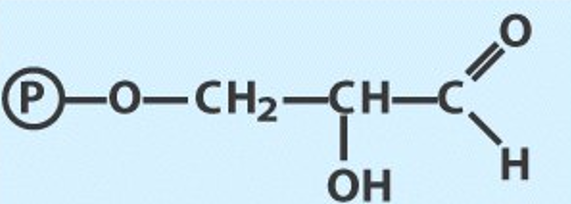
It is an intermediate in the breakdown of glucose to generate ATP and is also involved in the reverse pathway of gluconeogenesis, which synthesizes glucose from non-carbohydrate precursors.
In glycolysis, G3P is produced through the phosphorylation and cleavage of fructose-1,6-bisphosphate by aldolase. Once formed, G3P undergoes oxidation and phosphorylation to produce 1,3-bisphosphoglycerate, generating NADH in the process. This is a key step in the production of ATP, making G3P an essential intermediate in energy generation. The conversion of G3P to pyruvate, via further steps in glycolysis, ultimately leads to the production of ATP and NADH, which are critical for cellular functions.
In gluconeogenesis, the reverse pathway of glycolysis, G3P is synthesized from pyruvate or lactate and then converted into glucose. This process helps maintain blood glucose levels, particularly during fasting or prolonged exercise, when glucose is in short supply. G3P’s role in both glycolysis and gluconeogenesis ensures that it is crucial for regulating glucose metabolism and maintaining energy balance.
Beyond its role in energy production, G3P is also involved in the synthesis of other biomolecules. It acts as a precursor for the production of glycerol, which is important for the synthesis of triglycerides and phospholipids, key components of cell membranes. Additionally, G3P is involved in the pentose phosphate pathway through its conversion into ribose-5-phosphate, which is required for nucleotide synthesis.
Through its central role in metabolism, G3P is indispensable for energy production, glucose homeostasis, and the biosynthesis of key cellular components. Its involvement in glycolysis, gluconeogenesis, and other pathways underscores its importance in maintaining cellular function and overall metabolic health.