


Glutamine
Amino Acid
Glutamine is an amino acid crucial for protein synthesis, nitrogen balance, and cellular metabolism.
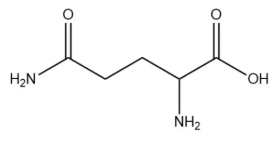
As a non-essential amino acid, it is synthesized from glutamate and ammonia through the action of the enzyme glutamine synthetase. Glutamine is the most abundant amino acid in the bloodstream and is particularly vital during times of stress, such as illness, injury, or intense physical activity, when its demand increases significantly.
One of glutamine’s primary functions is its involvement in nitrogen metabolism. It serves as a nitrogen donor in numerous biosynthetic processes, including the synthesis of other amino acids, nucleotides, and various biomolecules. It helps maintain nitrogen balance by transporting nitrogen between tissues and organs, ensuring that nitrogen does not accumulate in toxic forms, such as ammonia, in the body. Glutamine is also critical for the urea cycle, where it helps in the detoxification of ammonia produced during protein catabolism.
In addition, glutamine plays a key role in cellular metabolism. It is a major fuel source for rapidly dividing cells, such as those in the gut, immune system, and cancer cells. In the gut, glutamine is the primary fuel for enterocytes (intestinal cells) and is vital for maintaining intestinal integrity and function. It supports the synthesis of nucleotides and ATP, which are essential for cell growth, repair, and immune function. Glutamine is also involved in the acid-base balance in the kidneys, where it helps regulate pH by providing ammonia that binds to excess hydrogen ions, facilitating their excretion.
Furthermore, glutamine plays an important role in immune function. It serves as an energy source for immune cells, particularly lymphocytes and macrophages, which require high amounts of glutamine during immune responses. Its supplementation has been shown to improve immune responses during times of stress, such as in critically ill patients or those undergoing chemotherapy.
Through its versatile functions in nitrogen metabolism, cellular energy production, immune support, and tissue repair, glutamine is essential for overall metabolic health, particularly under conditions of stress or high cellular demand. Its ability to support various biochemical pathways and maintain homeostasis makes it a critical molecule in both health and disease.