


Glucose
Carbonhydrate Metabolites
Glucose is a primary energy source for cells, central to metabolism, and crucial for cellular functions.
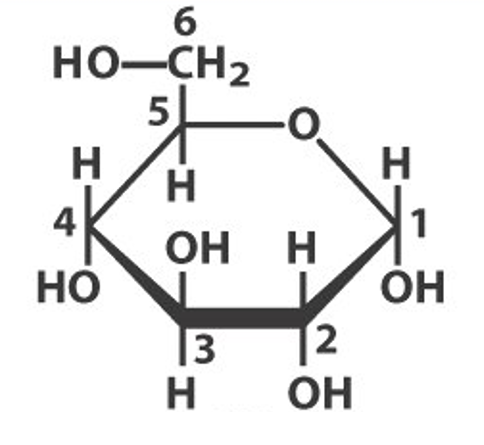
It is a monosaccharide that is absorbed into the bloodstream after the digestion of carbohydrates, where it is transported to tissues and organs to be used in various metabolic processes. Glucose is central to cellular metabolism, where it serves as the primary fuel for ATP production, especially in tissues with high energy demands, such as the brain, muscles, and red blood cells.
Glucose metabolism begins with glycolysis, a process where glucose is broken down into pyruvate in the cytoplasm of the cell, generating a small amount of ATP and NADH. Under aerobic conditions, pyruvate enters the mitochondria and is further metabolized in the citric acid cycle (Krebs cycle), producing high-energy molecules like NADH and FADH2, which are used in the electron transport chain to produce a large amount of ATP through oxidative phosphorylation. When oxygen is limited, such as in anaerobic conditions, pyruvate is converted into lactic acid, a process known as lactic acid fermentation, which allows ATP production to continue in the absence of oxygen.
Glucose is also essential for the synthesis of important macromolecules. Through gluconeogenesis, glucose can be synthesized from non-carbohydrate precursors like lactate, glycerol, and certain amino acids, ensuring a steady supply of glucose during fasting or prolonged exercise. Additionally, glucose is used in the pentose phosphate pathway, which generates ribose sugars for nucleic acid synthesis and NADPH for biosynthetic reactions and cellular antioxidant defense.
In addition to its role in metabolism, glucose plays a key role in maintaining blood sugar levels within a narrow range, regulated by hormones such as insulin and glucagon. Insulin promotes the uptake of glucose into cells and its storage as glycogen in the liver and muscles, while glucagon signals the liver to release stored glucose during periods of low blood sugar.
Glucose is not only vital for energy production and metabolic processes but also for maintaining cellular function, growth, and repair. Its regulation is critical for overall metabolic balance, and dysregulation of glucose metabolism is a key factor in diseases like diabetes mellitus, where the body’s ability to regulate glucose is impaired. Through its involvement in multiple biochemical pathways, glucose is indispensable for normal cellular function and systemic energy homeostasis.