


Glucose-6-Phosphate
Carbonhydrate Metabolites
Glucose-6-phosphate is a key intermediate in glucose metabolism, involved in glycolysis, gluconeogenesis, and the pentose phosphate pathway.
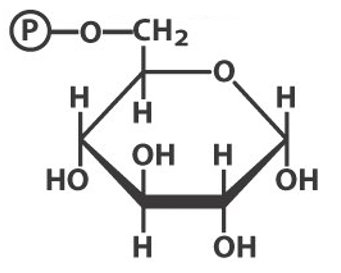
It is formed by the phosphorylation of glucose, catalyzed by the enzyme hexokinase or glucokinase, and serves as a key branching point in several metabolic pathways, including glycolysis, gluconeogenesis, and the pentose phosphate pathway.
In glycolysis, glucose-6-phosphate is converted to fructose-6-phosphate by phosphoglucose isomerase, continuing the breakdown of glucose for energy production. This pathway generates ATP, making it essential for cells, especially those in high-energy-demand tissues like muscle and brain. G6P also feeds into the pentose phosphate pathway (PPP), a crucial metabolic route for generating nucleotides and nucleic acids. In the PPP, glucose-6-phosphate is oxidized to produce ribose-5-phosphate, a precursor for DNA and RNA synthesis, as well as NADPH, which is used in various biosynthetic reactions and for cellular defense against oxidative stress.
In gluconeogenesis, the process of glucose production from non-carbohydrate precursors, glucose-6-phosphate is hydrolyzed to release free glucose, catalyzed by glucose-6-phosphatase. This reaction occurs mainly in the liver and kidneys and is vital for maintaining blood glucose levels, especially during fasting or prolonged exercise.
Additionally, glucose-6-phosphate is involved in glycogen synthesis and breakdown. In the liver and muscle, G6P can be converted into glycogen for storage, or, in response to energy demands, it can be converted back to glucose via the liver’s glucose-6-phosphatase activity. This ensures a steady supply of glucose to tissues in need, particularly the brain and red blood cells.
Through these integrated roles in metabolism, glucose-6-phosphate serves as a key regulatory molecule that links different metabolic pathways and helps coordinate the balance between energy storage, glucose production, and utilization. Its centrality in various biochemical processes underscores its importance in maintaining cellular energy homeostasis and overall metabolic function.