

GMP
Nucleotide Intermediates
GMP (Guanosine monophosphate) is a nucleotide involved in RNA synthesis and energy transfer.
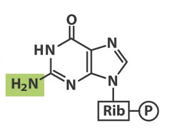
It is composed of the purine base guanine, a ribose sugar, and a single phosphate group. GMP is primarily involved in the synthesis of RNA, acting as a building block during transcription, where it is incorporated into RNA strands by RNA polymerase. This makes GMP a key component of both messenger RNA (mRNA) and ribosomal RNA (rRNA), critical for protein synthesis and cellular function.
In addition to its role in RNA synthesis, GMP is integral to cellular energy metabolism. It is a derivative of guanosine diphosphate (GDP), which is involved in energy transfer processes through the production of guanosine triphosphate (GTP). GTP is a major energy currency in the cell, involved in protein synthesis, signal transduction, and other cellular processes. The conversion between GMP, GDP, and GTP helps regulate energy flow and ensures that the cell has an adequate supply of nucleotides for both energy and genetic functions.
GMP also plays a role in signal transduction, particularly through the production of cyclic GMP (cGMP). cGMP is a secondary messenger molecule involved in a variety of signaling pathways, such as those regulating smooth muscle relaxation, vasodilation, and neurotransmission. It acts by activating protein kinases that affect cellular processes like ion transport and gene expression.
Furthermore, GMP is involved in purine metabolism, serving as an intermediate in the salvage pathway for purine nucleotides. This pathway allows cells to recycle purine bases like guanine into nucleotides, ensuring an efficient use of resources and maintaining the balance of purine pools within the cell.
Through its roles in RNA synthesis, energy transfer, signal transduction, and purine metabolism, GMP is critical for the proper functioning of cellular processes and the maintenance of cellular homeostasis. Its ability to contribute to multiple essential pathways underscores its importance in both basic cellular activities and more complex regulatory mechanisms.