

Fructose-1,6-Bisphophate
Carbonhydrate Metabolites
Fructose-1,6-bisphosphate is a key intermediate in glycolysis, regulating the breakdown of glucose for energy production.
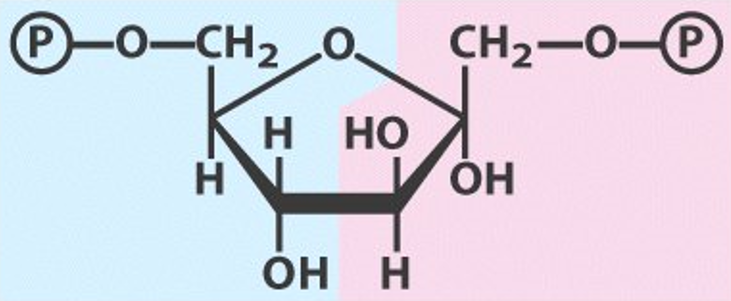
It is formed by the phosphorylation of fructose-6-phosphate, a reaction catalyzed by phosphofructokinase-1 (PFK-1), one of the key regulatory enzymes in glycolysis. This step is one of the rate-limiting reactions in the pathway and is considered a major control point in cellular energy regulation.
Fructose-1,6-bisphosphate is subsequently cleaved by aldolase into two three-carbon molecules: dihydroxyacetone phosphate (DHAP) and glyceraldehyde-3-phosphate (G3P), both of which can continue through glycolysis to eventually produce pyruvate. The breakdown of fructose-1,6-bisphosphate thus marks a critical step in the conversion of glucose into usable energy.
Beyond its role as an intermediate in glycolysis, fructose-1,6-bisphosphate also functions as a regulatory molecule. It activates pyruvate kinase, another enzyme in the glycolytic pathway, which ensures the efficient conversion of phosphoenolpyruvate to pyruvate. This feedback regulation is essential for maintaining a smooth and balanced flow of glucose through glycolysis, especially under conditions of high energy demand.
In addition, fructose-1,6-bisphosphate plays a role in the gluconeogenesis pathway, the reverse of glycolysis. In gluconeogenesis, the enzyme fructose-1,6-bisphosphatase catalyzes the hydrolysis of fructose-1,6-bisphosphate to fructose-6-phosphate, a critical step in synthesizing glucose from non-carbohydrate precursors. The balance between glycolysis and gluconeogenesis is tightly controlled to maintain glucose homeostasis, ensuring that energy production and storage occur in response to the cell’s needs.
Thus, fructose-1,6-bisphosphate is central to both the regulation and progression of glycolysis, while also influencing key metabolic processes such as gluconeogenesis and energy homeostasis. Its role in cellular metabolism highlights its importance in maintaining a balance between energy production and storage, especially under varying nutritional and energetic conditions.