


Fatty-Acid
Lipid Metabolites
Fatty acids are key components of lipids, serving as energy sources and signaling molecules in cellular metabolism.
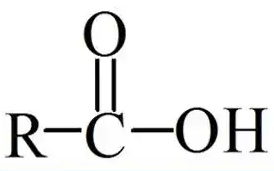
They are primarily derived from dietary fats or synthesized in the liver from carbohydrates through the process of lipogenesis. Fatty acids are a major source of energy for many tissues, particularly muscle and liver, and are stored in the form of triglycerides in adipose tissue for later use.
Fatty acids are broken down in a process known as beta-oxidation, which occurs primarily in the mitochondria. During beta-oxidation, fatty acids are sequentially cleaved into two-carbon units, which are then converted into acetyl-CoA, a key intermediate that enters the citric acid cycle to produce ATP, the cell’s energy currency. This process is highly efficient, providing a significant amount of energy compared to glucose metabolism, especially during fasting or prolonged exercise when fat is the primary fuel source.
Fatty acids are also crucial in maintaining the structural integrity of cell membranes. They are incorporated into phospholipids, the building blocks of biological membranes, and their composition affects membrane fluidity and permeability. The types of fatty acids—saturated, monounsaturated, or polyunsaturated—play important roles in determining membrane properties and cellular function.
In addition to their roles in energy storage and membrane composition, fatty acids act as signaling molecules in various biological processes. Eicosanoids, derived from polyunsaturated fatty acids like arachidonic acid, are potent regulators of inflammation, immune responses, and vascular function. Fatty acids also influence the activity of peroxisome proliferator-activated receptors (PPARs), which regulate genes involved in lipid metabolism, insulin sensitivity, and inflammation.
Fatty acids are not only involved in energy production and cellular structure but also play important roles in lipid signaling pathways, influencing the regulation of gene expression and metabolic processes. For example, the accumulation of long-chain fatty acids can activate AMP-activated protein kinase (AMPK), promoting energy production and fatty acid oxidation. Similarly, omega-3 fatty acids have been linked to anti-inflammatory effects and cardiovascular protection.
In summary, fatty acids are fundamental to cellular metabolism, serving as energy sources, membrane components, and signaling molecules. Their metabolism is finely regulated to meet the body’s energy needs and maintain metabolic balance, and they play critical roles in health, inflammation, and disease prevention.