


Ethanol
Carbonhydrate Metabolites
Ethanol is a simple alcohol metabolized in the liver, affecting energy production, detoxification, and neurotransmission.
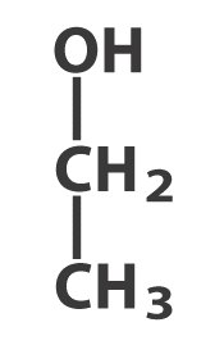
Upon ingestion, ethanol is absorbed into the bloodstream and transported to the liver, where it undergoes metabolic processing. The liver primarily utilizes two enzymes for ethanol metabolism: alcohol dehydrogenase (ADH) and aldehyde dehydrogenase (ALDH). Ethanol is first converted into acetaldehyde by ADH, a toxic intermediate, and then further metabolized into acetic acid by ALDH. The acetic acid is eventually converted into acetyl-CoA, which enters the citric acid cycle to generate ATP. However, this process consumes NAD+ and produces NADH, altering the cellular redox state and potentially leading to metabolic disturbances when ethanol is consumed in excess.
Ethanol’s metabolism significantly affects energy production in the liver. The shift in NAD+/NADH ratio can impair normal metabolic processes, such as fatty acid oxidation, leading to the accumulation of fat in liver cells (fatty liver). Chronic ethanol consumption may lead to alcoholic liver disease, a condition that includes steatosis, alcoholic hepatitis, and cirrhosis. Additionally, high NADH levels from ethanol metabolism inhibit gluconeogenesis, reducing the liver’s ability to produce glucose and potentially causing hypoglycemia in severe cases.
Ethanol also has significant effects on neurotransmission. It acts as a central nervous system depressant, enhancing the activity of inhibitory neurotransmitters like gamma-aminobutyric acid (GABA) while inhibiting excitatory neurotransmitters such as glutamate. This interaction leads to the sedative effects of alcohol, including impaired coordination, judgment, and consciousness. Chronic alcohol consumption can disrupt the balance of neurotransmitters, contributing to long-term cognitive and behavioral changes, including addiction, mood disorders, and memory deficits.
Moreover, ethanol’s effects on the immune system and detoxification processes are also important. Ethanol can impair immune function, making individuals more susceptible to infections. Chronic drinking can compromise the gut barrier and alter gut microbiota, further contributing to systemic inflammation. Additionally, the liver, as the main organ responsible for ethanol detoxification, is vulnerable to oxidative stress and damage from the byproducts of ethanol metabolism, particularly acetaldehyde and reactive oxygen species (ROS).
In summary, ethanol has broad and complex effects on the body, influencing energy metabolism, liver function, neurotransmission, and immune health. While moderate alcohol consumption may not result in severe health issues, chronic or excessive drinking can lead to significant metabolic dysfunction, liver disease, neurological impairment, and systemic inflammation.