


Acetoacetate
Lipid Metabolites
Acetoacetate is a ketone body produced during fat metabolism, providing an alternative energy source.
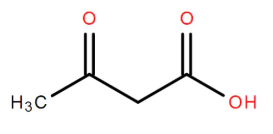
Acetoacetate is one of the primary ketone bodies produced during the breakdown of fatty acids in the liver. It is synthesized from acetyl-CoA during periods of fasting, prolonged exercise, or carbohydrate restriction, when glucose is scarce and fat oxidation becomes the dominant energy source. Acetoacetate, along with other ketone bodies such as beta-hydroxybutyrate and acetone, serves as an alternative energy source for tissues, particularly the brain, heart, and muscles, during times of low glucose availability.
Once produced, acetoacetate is released into the bloodstream and transported to peripheral tissues, where it is converted back into acetyl-CoA, which can then enter the citric acid cycle to generate ATP. This process helps maintain energy production when glucose is not readily available, especially in the brain, which typically relies heavily on glucose.
Acetoacetate also plays a role in regulating the balance of energy substrates in the body. When fat stores are mobilized and fatty acids are broken down, acetoacetate levels rise, providing a critical fuel alternative that ensures the body maintains its energy balance during fasting or starvation. Additionally, elevated ketone bodies, including acetoacetate, can have therapeutic effects in conditions such as epilepsy, where ketogenic diets are used to reduce the frequency of seizures.