


Acetaldehyde
Carbonhydrate Metabolites
Acetaldehyde is a toxic intermediate in alcohol metabolism, involved in various biochemical pathways and detoxification processes.
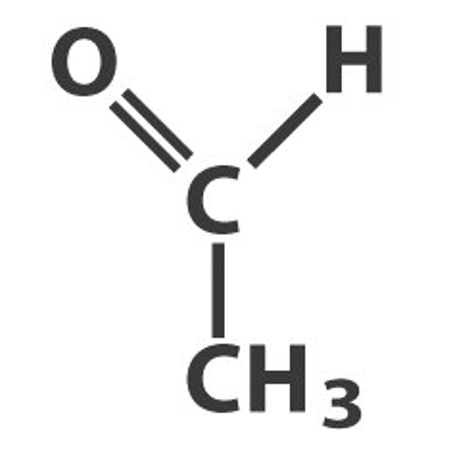
It is primarily produced in the liver during the oxidation of ethanol (alcohol) by the enzyme alcohol dehydrogenase (ADH). Acetaldehyde is an intermediate metabolite that is subsequently converted into acetate by the enzyme acetaldehyde dehydrogenase (ALDH). Acetate is then further metabolized into acetyl-CoA, which enters the citric acid cycle to generate ATP for cellular energy production.
The accumulation of acetaldehyde can be harmful due to its highly reactive nature. It can bind to cellular proteins, lipids, and DNA, leading to cellular damage and contributing to tissue inflammation, oxidative stress, and the development of alcoholic liver disease. This toxicity is one reason why the enzyme ALDH is so critical; its activity reduces acetaldehyde concentrations, mitigating its harmful effects.
In addition to its role in alcohol metabolism, acetaldehyde is involved in other metabolic processes. It is a byproduct of the oxidation of various other compounds, including certain amino acids and fats, and plays a role in the metabolism of sugars through the pentose phosphate pathway. Acetaldehyde is also implicated in acetylation reactions, where it forms acetyl groups that are involved in various biochemical modifications, such as protein acetylation, which affects gene expression and protein function.
Acetaldehyde is also a known carcinogen, particularly associated with an increased risk of certain cancers, including those of the liver, esophagus, and oropharynx. This carcinogenic effect is primarily due to acetaldehyde’s ability to cause DNA damage and disrupt cellular repair mechanisms. The enzyme ALDH, as well as other detoxifying enzymes, play a significant role in mitigating this risk by converting acetaldehyde into less harmful compounds.
Thus, while acetaldehyde plays a critical role in normal metabolic pathways, particularly in alcohol metabolism, its toxic effects and potential for cellular damage make it a compound of significant biological concern. Efficient detoxification of acetaldehyde is essential for maintaining metabolic health and preventing the long-term consequences of its accumulation.