


AMP
Nucleotide Intermediates
AMP regulates energy balance by activating AMPK, influencing metabolism, glycogen breakdown, and serving as a cAMP precursor.
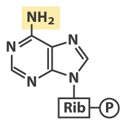
Adenosine monophosphate (AMP) plays a pivotal role in several key metabolic pathways, particularly in the regulation of cellular energy balance. AMP is produced during the breakdown of ATP and acts as an important signal in the regulation of metabolic processes.
One of its major roles is in the AMP-activated protein kinase (AMPK) pathway. When cellular energy levels are low, AMP levels increase, activating AMPK, which in turn promotes energy-producing processes such as glucose uptake and fatty acid oxidation while inhibiting energy-consuming processes like protein and lipid synthesis. This helps restore cellular energy balance.
AMP also participates in the purine nucleotide cycle, where it is converted to inosine monophosphate (IMP) and subsequently recycled back to ATP, facilitating energy regeneration.
Additionally, AMP is involved in glycogen metabolism, where it regulates glycogen phosphorylase activity, and in adenylate cyclase activity, where it acts as a precursor for cyclic AMP (cAMP), a critical secondary messenger in numerous signaling pathways, including those regulating cell growth, hormone responses, and neurotransmission.
Through these pathways, AMP serves as a critical regulator in maintaining cellular homeostasis and energy balance.